

The UK’s food production and packaging industry is a big deal. It offers many career paths for people with different skills and interests.
There’s a high demand for skilled workers, making it a great time to look for jobs in food production, processing, and packaging.

Key competencies for roles in manufacturing, assembly, and quality control
The industry covers many roles, from making food to checking its quality and managing logistics. As it grows, it opens up new chances for those wanting to start or move up in their careers.
The best job openings
*You will remain on our website..
This industry is a big part of the UK’s economy, making it appealing to job hunters. It has a wide range of roles and specialisms. This makes it a perfect place for people with different backgrounds and skills to find a good job.
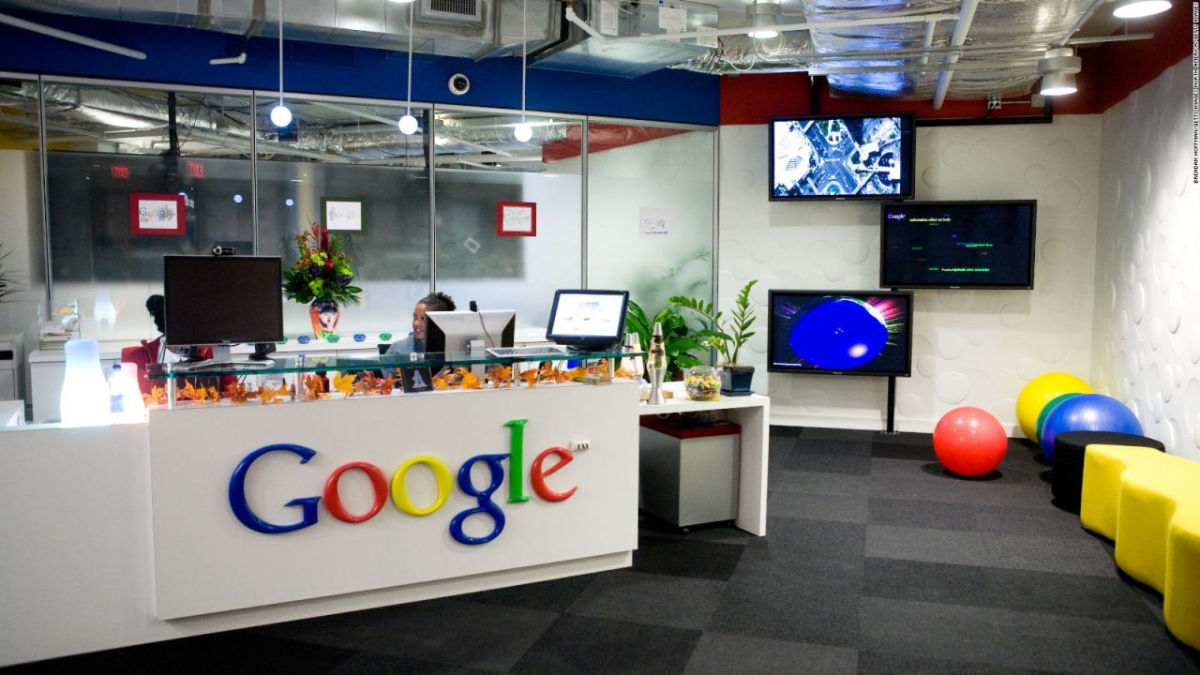
Job Openings
How to apply for Google UK jobs
The Current State of the UK Food Production Industry
The UK food production industry is a big part of the country’s economy. It includes many activities like food processing and packaging. It also employs a lot of people.

Nissan Jobs
Explore Nissan Jobs in the UK: Your Career Starts Here
There’s a growing need for ready-to-eat meals and sustainable food. This is creating more jobs in food manufacturing. Technology, like automation, is also changing the industry.
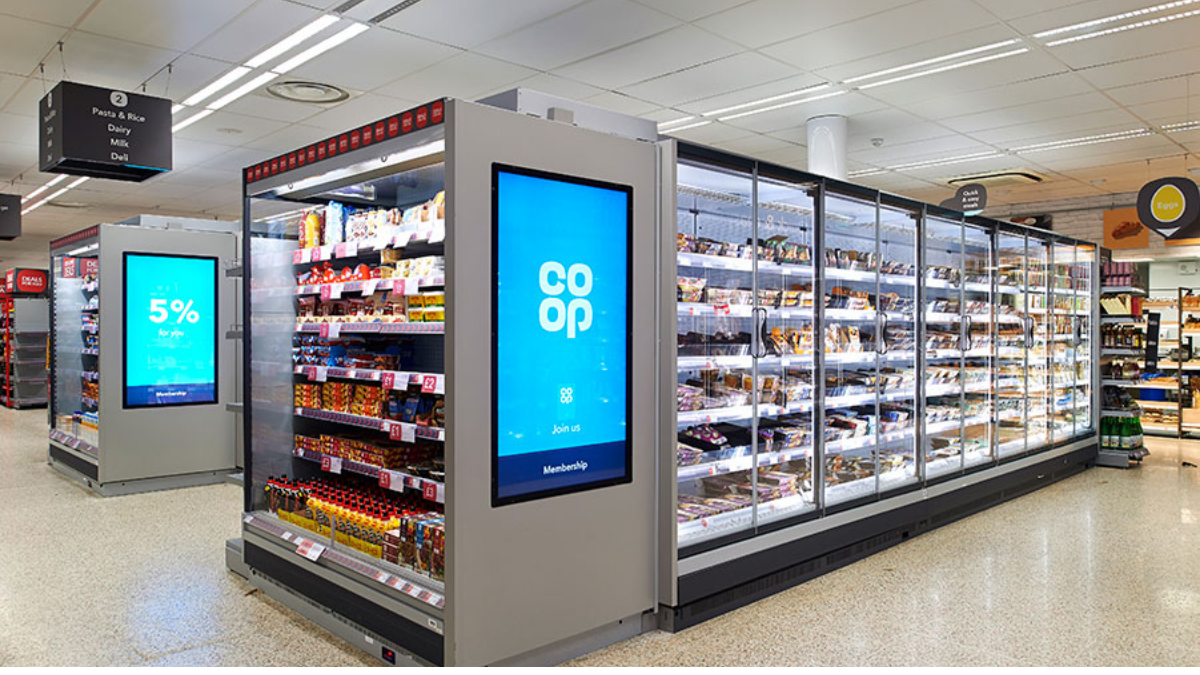
Co-op Food Jobs
Co-op Food Jobs: The Complete Guide to Working at Co-op Food in the UK
Even with challenges like Brexit and COVID-19, the industry is still growing. People want healthier food, which is boosting jobs in food production. This shows the industry’s potential for growth and development.
Job Opportunities in Food Production Across the UK
In the UK, the food production industry has many job openings. These range from production line workers to quality control specialists. It’s a big employer, offering roles for all sorts of skills and interests.
There are lots of jobs in food manufacturing across different sectors. These include meat processing, dairy, and baked goods. These roles are key to making sure food is made safely and well.
Entry Requirements and Training
To get into food production, you usually need good reading and maths skills. Some jobs might ask for specific qualifications, like food safety certificates. You’ll often learn on the job, helping you grow in your career.
Day-to-Day Responsibilities
Jobs in food production can be very different. Production line workers run machines and meet targets. Quality control specialists check if products are up to standard.
The food production industry has many jobs for people with different skills and interests. Whether you want to work on the production line or in a specialist role, there are plenty of career paths in this important sector.
Packaging Sector Career Paths
There are many career paths in the packaging sector, from design to production management. This field is crucial in the food industry, offering various jobs for different skills and interests.
One important role is that of a packaging designer. They create designs that are both attractive and functional. These designs must protect the product during transport. Now, there’s a big push for designs that are also eco-friendly.
Another key role is the production manager. They make sure packaging materials are made well and on time. They manage teams, improve processes, and keep production high.
There are many chances to move up in the packaging sector. With more experience, you can become an operations or technical manager. These roles involve overseeing more of the packaging process. The skills you learn, like project management, can also help in other food industry jobs.
The packaging industry in the food sector offers many job types, from technical to managerial roles. As more food is packaged, the sector will likely have even more job opportunities. This makes it a thrilling and dynamic field to work in.
Management and Supervisory Roles
In the UK’s food production industry, management and supervisory roles are key. They drive productivity and keep quality high. These roles oversee daily operations, manage teams, and follow food safety rules.
People in these roles set production schedules, check quality, and solve problems. They face challenges like keeping productivity up, managing diverse teams, and meeting changing consumer needs.
Career Progression
There are chances to move up in these roles. You could become a senior manager or focus on quality or supply chain. Keeping up with training and development is important for career growth.
Good management and supervision are vital for the UK’s food production success. They help the industry stay efficient and competitive.
Qualifications and Skills Required for Food Industry Careers
Jobs in food manufacturing need a mix of technical knowledge and soft skills. To do well, you must have the right qualifications and skills.
Most food production jobs ask for specific qualifications. For example, a food production manager might need a degree in food science and lots of experience.
Soft skills are also key to success in food production careers. Employers value teamwork, communication, and problem-solving skills a lot.
Technical skills are crucial too. Knowing about food safety, HACCP, and how to use equipment is important. Getting a Food Safety Level 2 certificate can help too.
By having the right qualifications and skills, you can improve your chances in the food production industry. This can lead to a fulfilling career.
Salary Expectations and Benefits in the UK Food Sector
Careers in the UK food production industry offer good pay. They also come with many benefits, making them very appealing.
Salaries vary based on the job. For example, those on the production line start with a certain pay. But, managers earn more because they oversee others.
Benefits in the UK food sector include health insurance and pension plans. There’s also paid leave. These perks make working in the food industry even better.
To do well in the food industry, it’s key to know what qualifications and skills are needed. This knowledge helps you find the right job.
Regional Job Opportunities and Major Employers
Job chances in the UK food production sector vary by area. Some places have more opportunities than others. The industry employs many people all over the country, with different jobs available in each region.
The north of the UK is a big hub for food production. It offers many jobs in the food sector.
Northern Powerhouses
Cities like Leeds and Manchester are key in the north. They have lots of food production facilities. This has boosted job chances in the food sector in these areas.
On the other hand, the south also has big food production centres. These areas help increase employment in the food sector.
Southern Manufacturing Centres
Hampshire and Somerset are known for their food production. Companies in these places show the wide spread of jobs in the food sector.
Jobs are spread out across the country, showing the industry’s wide reach. Employers range from big companies to small producers. They offer many different roles in the food production sector.
Navigating Your Career Path in the UK Food Production Industry
To succeed in the UK food production industry, being proactive in career development is key. You can find many job opportunities, from working on the production line to management roles.
Networking is vital for career growth. Going to industry events and joining groups like the Food and Drink Federation can help. These connections offer valuable insights and job leads.
Keeping up with industry trends is also important. Following sources like the UK’s Food Standards Agency keeps you informed. This way, you can spot new job chances in food production.
By staying informed and proactive, you can effectively navigate your career. This approach helps you make the most of the many career opportunities in the UK’s food industry.